Why it matters of social skills development in Kindergarten
Wiki Article
All About Kindergarten: Recognizing the Significance of Early Childhood Education Programs
Kindergarten works as a critical point in a child's very early advancement. It introduces fundamental abilities important for future discovering and social communications. Via numerous tasks, children take part in organized play that promotes cognitive growth. Recognizing the nuances of various preschool programs can additionally illuminate their relevance. What particular benefits do these very early education experiences provide, and exactly how do they form a kid's trajectory? The responses might be a lot more complex than one could anticipate.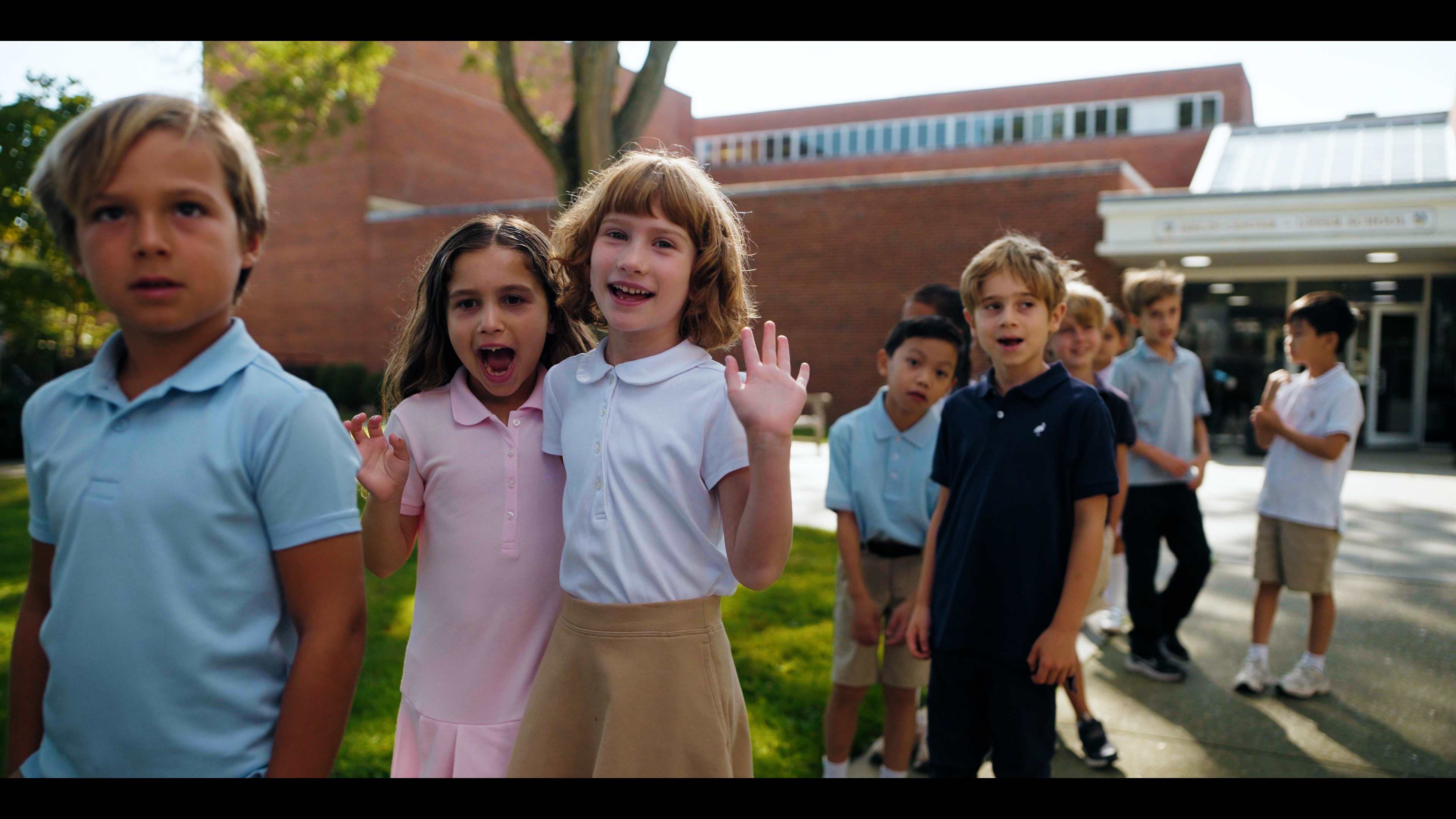
The Role of Kindergarten in Child Advancement
Although some may check out kindergarten just as a transition stage before formal schooling, it plays an essential function in kid development. This foundational stage fosters critical social, psychological, and cognitive skills that are essential for long-lasting understanding. In preschool, kids engage in structured play, which enhances their capability to cooperate, share, and settle disputes with peers. These communications lay the foundation for healthy and balanced partnerships and improved interaction skills.On top of that, kindergarten introduces children to basic principles in proficiency and numeracy, triggering curiosity and a love for understanding. Teachers direct trainees through activities that promote important and analytic reasoning, essential elements of intellectual development. The environment highlights routine and framework, helping youngsters establish self-discipline and independence. By concentrating on alternative growth, preschool assurances that youngsters are not just ready academically but likewise socially and psychologically for the difficulties of future educational ventures.
Key Advantages of Early Youth Education
Early childhood education uses countless advantages that can considerably influence a child's growth and future success. Research study suggests that children who join quality early education programs display enhanced cognitive skills, better language growth, and boosted social skills contrasted to their peers that do not attend such programs. These fundamental skills are vital as they establish the stage for academic accomplishment and long-lasting learning.Very early education cultivates psychological growth by giving youngsters with chances for participating play and problem resolution, helping them develop resilience and empathy. In addition, these programs usually aid bridge the void for youngsters from varied backgrounds, guaranteeing fair accessibility to learning sources and experiences
Ultimately, buying early childhood education and learning not only benefits individual children but additionally contributes to more powerful neighborhoods, as enlightened individuals are more probable to engage positively in society and the labor force.
Different Kinds Of Preschool Programs
Various preschool programs accommodate different educational ideologies and demands. Full-day alternatives supply extended understanding time, while the Montessori approach stresses self-reliance and hands-on experiences. In addition, play-based understanding techniques foster creativity and social abilities, illustrating the diversity in early youth education and learning.Full-Day Preschool Options
Numerous moms and dads and teachers recognize the growing importance of full-day kindergarten options in very early youth education. Full-day programs usually provide a more extensive discovering experience, permitting youngsters to participate in a range of activities throughout the day. These choices typically include a balanced educational program that integrates academic, social, and emotional advancement. Some districts provide conventional full-day kindergarten, while others may give specific programs, such as double language or thematic discovering settings. Furthermore, full-day kindergarten can fit functioning moms and dads by straightening college hours with common work timetables. Research recommends that students in full-day programs commonly show improved scholastic performance and social skills contrasted to their peers in half-day setups, making these alternatives significantly preferred in several areas.Montessori Technique Introduction
The Montessori strategy is just one of lots of academic approaches, it has acquired substantial attention for its one-of-a-kind focus on child-led discovering and exploration. Established by Dr. Maria Montessori, this technique concentrates on fostering freedom and self-directed activity in children. Classrooms are normally made to encourage activity and hands-on involvement with products, permitting children to learn at their very own rate. Montessori teachers offer as guides, promoting learning with observation instead of straight instruction. This approach focuses on mixed-age classrooms, promoting partnership and peer understanding. Furthermore, the Montessori approach emphasizes practical life abilities and sensory activities, helping children establish a strong structure in both social and academic proficiencies. Parents typically value the all natural development that this approach nurtures in their kids.Play-Based Understanding Approaches
Play-based discovering techniques are integral to countless preschool programs, highlighting the value of play as a basic mode of discovering for children. These techniques encourage expedition, creativity, and social interaction, allowing children to participate in hands-on experiences that promote cognitive and psychological growth. Numerous kinds of play, such as creative, useful, and physical play, are used to support learning purposes across subjects like scientific research, math, and literacy. Additionally, play-based programs commonly integrate collective tasks, advertising teamwork and interaction skills. Educators observe and guide kids throughout play, guaranteeing that finding out results are achieved while keeping a joyous learning environment. This technique not just boosts scholastic readiness however additionally grows a long-lasting love for knowing, making it a necessary component of very early childhood years education.The Importance of Play in Learning
A substantial body of study underscores the crucial role of play in very early childhood education, highlighting its extensive impact on discovering and growth. Play acts as an important mechanism where kids explore their setting, develop cognitive abilities, and boost their problem-solving capabilities. Participating in creative play allows children to trying out various duties and situations, fostering creativity and essential thinking.Furthermore, play-based understanding encourages children to engage with materials and ideas in a hands-on manner, making abstract concepts more substantial and reasonable. This experiential knowing strategy not just catches youngsters's passion but likewise advertises intrinsic motivation, fundamental for lifelong knowing.
Through play, children additionally refine their electric motor abilities and spatial understanding, laying the foundation for a lot more complex scholastic jobs. Essentially, focusing on play in very early childhood years education programs is important for supporting alternative growth, furnishing youngsters with the fundamental abilities required for their future instructional trips.
Social Skills Advancement in Kindergarten
Structure on the structure developed through play, preschool functions as an important environment for social skills growth. Throughout this developmental stage, kids participate in organized activities that motivate communication with peers. Via team jobs, cooperative games, and shared tasks, they learn necessary abilities such as conflict, communication, and empathy resolution.Educators help with these communications, leading youngsters in understanding social hints and cultivating positive connections. As children browse different social scenarios, they develop a sense of belonging and find out to value diverse point of views.
Moreover, kindergarten offers chances for kids to exercise turn-taking, sharing, and negotiation, which are essential for constructing friendships. These experiences not only boost social proficiency yet likewise contribute to emotional knowledge. Consequently, the social skills gotten in kindergarten lay the foundation for effective communications in later instructional setups and throughout life. As a result, the relevance of social skills advancement in preschool can not be overstated.
Adult Involvement in Early Education

When moms and dads demonstrate a rate of interest in their kid's education and learning, it cultivates a favorable mindset in the direction of knowing. Kids are most likely to establish a sense of belonging and motivation to prosper when they really feel sustained. Furthermore, parental involvement can enhance a kid's psychological health, leading to greater resilience in dealing with institution challenges. As a result, promoting a collective environment in between home and school is crucial for maximizing early instructional experiences and end results.
Planning for the Transition to Grade School
As kids come close to completion of their kindergarten trip, planning for the change to primary school comes to be significantly vital. This change needs careful planning and support from both moms and dads and educators. Acquainting children with the new environment, routines, and expectations of primary school can alleviate their anxiousness and advertise confidence.
Schools typically give alignment sessions that present kids to their future classrooms and teachers, fostering a feeling of belonging. Furthermore, parents can take part in discussions about the modifications ahead, emphasizing the exciting opportunities for finding out and social communication.
Encouraging self-reliance in everyday jobs, such as following a routine and dressing, can also be valuable. Exercising essential abilities, such as letter acknowledgment and fundamental mathematics, prepares children academically for first grade.
Ultimately, a joint initiative amongst moms and dads, teachers, and the community ensures a smoother change, laying a solid structure for a successful academic trip.
Regularly Asked Questions
What Qualifications Should Kindergarten Teachers Have?
Kindergarten instructors should possess a bachelor's level in early youth education or a relevant field, together with state accreditation. Added certifications might consist of specialized training in child development, class monitoring, and effective teaching methodologies.Just how Do I Select the Right Kindergarten Program?
To choose the right preschool program, one must take into consideration aspects like educational program, teaching techniques, course size, teacher certifications, and moms and dad reviews. Checking out centers and observing communications can additionally supply beneficial insights into the program's environment.What Should My Kid Learn in Kindergarten?
In kindergarten, a youngster ought to discover fundamental abilities such as basic reading and writing, counting, social interactions, analytic, and electric motor abilities. These Grade School Peoria expertises cultivate cognitive development and prepare them for future instructional challenges.Are There Age Demands for Preschool Enrollment?
Most states call for kids to be five years old by a certain day, commonly September 1st, for kindergarten registration. Particular age needs can vary, so examining regional school district policies is important.Just How Can I Assistance My Youngster's Knowing at Home?
To sustain a child's discovering in your home, moms and dads can develop a regular, offer engaging educational materials, motivate reading, join hands-on activities, and foster open communication to support inquisitiveness and crucial thinking abilities.Kindergarten offers as an important phase in a youngster's very early advancement. Some might see kindergarten just as a changeover phase before formal education, it plays a crucial function in child advancement. In addition, kindergarten introduces children to standard concepts in proficiency and numeracy, stimulating inquisitiveness and a love for discovering. Play-based discovering methods are integral to various kindergarten programs, highlighting the relevance of play as an essential mode of discovering for young children. In kindergarten, a youngster ought to discover foundational abilities such as fundamental analysis and writing, counting, social communications, analytic, and electric motor abilities.
Report this wiki page